

 by Kemang house for rent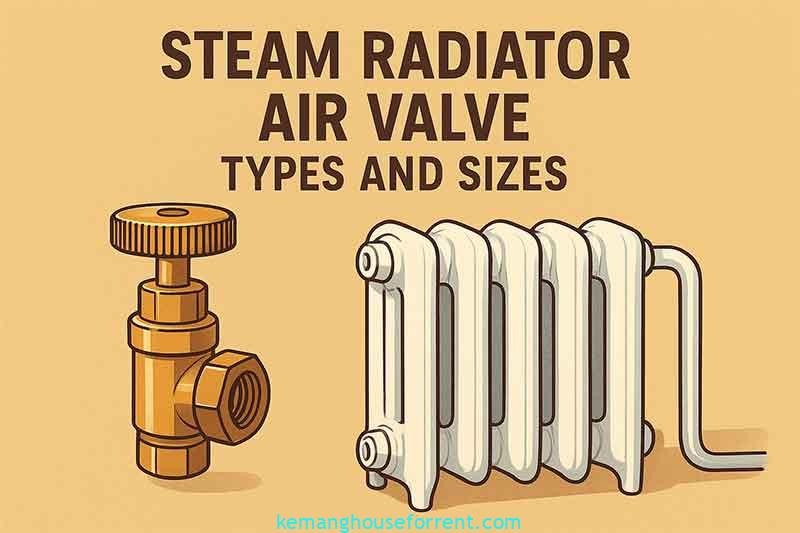
Steam heating systems have been around for more than a century, and many older homes still rely on them to stay warm during the cold season. At the heart of their performance is a small but important component: the air valve. If you are maintaining, repairing, or upgrading your steam radiator, understanding steam radiator air valve types and sizes is essential. Choosing the right valve can make the difference between even heating and frustrating cold spots.
This guide will walk you through everything you need to know about air valves for steam radiators, from how they work to the different designs, sizes, and applications. By the end, you will have the knowledge to pick the right valve for your system and improve both comfort and efficiency.
What is a Steam Radiator Air Valve?
A steam radiator air valve, also called a radiator vent, is a small device that controls how air escapes from the radiator as steam enters. In a one-pipe steam system, steam and air cannot share the same space. Before steam can fill the radiator, the trapped air must be released. The air valve allows this air to escape automatically and then closes once steam reaches it.
If the valve is missing, clogged, or not sized correctly, your radiator will not heat evenly. You may notice that some radiators in the house stay cooler than others, or that one room gets too hot while another remains cold. That is why choosing the correct type and size of valve is critical.
How Steam Radiator Air Valves Work
The function of the valve is simple but effective. Inside the valve is a small mechanism, usually a float or thermostatic element filled with a heat-sensitive substance. When the radiator is cold, the valve is open, allowing air to escape as steam pushes in. As steam reaches the valve, heat activates the element, expanding it and sealing the opening. This prevents steam from escaping while keeping the radiator full.
In short, the valve is the “lungs” of your radiator. It breathes out air when needed and seals tight when the job is done.
Why Valve Types and Sizes Matter
Not all steam radiators heat at the same speed or need the same venting capacity. Radiators on upper floors often require faster venting because steam must travel farther to reach them. Radiators closer to the boiler, on the other hand, may need slower venting to avoid overheating.
Using the wrong valve type or size can cause imbalance in the system. For example:
- A valve that vents too slowly will keep a radiator cold.
- A valve that vents too quickly can cause noisy banging, wasted steam, or rooms that overheat.
By matching the correct type and size of valve to each radiator, you balance the system so every room receives steady, even heat.
Common Types of Steam Radiator Air Valves
Air valves come in several designs. Each type has specific advantages depending on the radiator’s location and heating needs.
Standard Adjustable Valves
These are the most common valves found in residential systems. They feature an adjustable dial that controls how quickly air escapes. Homeowners can fine-tune heating by turning the dial higher or lower depending on comfort.
Non-Adjustable Valves
Some valves are fixed and cannot be adjusted. They are designed to release air at a steady, predetermined rate. These are usually less expensive but limit your ability to balance heat across the system.
Quick-Vent Valves
Quick-vent valves release air at a much faster rate. They are best used on larger radiators or those located far from the boiler, where steam takes longer to arrive. Without a quick vent, those radiators may never fully heat.
Slow-Vent Valves
Slow-vent valves release air gradually. They are useful for radiators located close to the boiler, which naturally receive steam faster. Installing a slow vent helps prevent these radiators from overheating compared to those farther away.
Main Vent Valves
Although technically not radiator valves, main vents are installed on steam mains in the basement to release large volumes of air quickly. Without them, radiator vents must do all the work, which slows down the system. Radiator valves then function more efficiently because the main vents handle most of the heavy air removal.
Valve Sizes and How They Affect Heating
When discussing steam radiator air valve types and sizes, “size” usually refers to the venting capacity rather than physical dimensions. Valves are rated by how much air they can release in a given amount of time. The larger the venting capacity, the faster steam will fill the radiator.
Manufacturers often use numbers or letters to indicate venting speed. For example, a “1” might represent a slow vent, while a “D” or “6” indicates faster venting. The physical threading is usually standardized to fit most radiators, but the inside mechanism determines capacity.
Small Valves
Smaller valves are best for radiators close to the boiler. Because steam reaches them quickly, they need only minimal venting. Otherwise, these radiators could hog steam and leave others cold.
Medium Valves
Medium-sized valves are often used for radiators located on mid-level floors or average-sized radiators. They provide a balance between slow and fast venting.
Large Valves
Large or high-capacity valves are ideal for radiators on the top floor or at the end of long steam runs. These radiators struggle to get steam unless air escapes quickly. A large valve ensures they fill at the same rate as radiators closer to the boiler.
Choosing the Right Valve for Your Radiator
To select the right valve, consider both the radiator’s location and the room’s heating needs. Radiators closer to the boiler usually need slower venting, while those farther away need faster venting.
Also pay attention to room size and heat demand. A small bedroom may only need a slow or medium valve even if the radiator is far from the boiler, while a large living room may benefit from a quicker vent.
It often takes a little trial and error. Many homeowners experiment with different valve settings until the heating feels balanced across all rooms.
Signs You Need a New Air Valve
Even if you have the right type and size of valve, wear and tear can cause problems. Watch for these signs that your valve needs replacing:
- Radiator stays cold even when the system runs
- Loud hissing or spitting of steam from the valve
- Valve leaks water
- Uneven heating between rooms
- Valve never seems to close properly
Replacing an old valve is usually inexpensive and can dramatically improve comfort.
How to Replace a Steam Radiator Air Valve
Replacing a valve is a simple DIY task for most homeowners. First, shut off the heating system and allow the radiator to cool. Use a wrench to unscrew the old valve, taking care not to damage the radiator threads. Apply plumber’s tape to the threads of the new valve, then screw it in securely. Make sure the vent opening is upright so it functions properly.
Once the system is back on, listen for proper operation. The valve should release air quietly at first, then close once steam reaches it.
Maintenance Tips for Longer Valve Life
To get the most from your air valves:
- Keep them upright during installation so water does not collect inside.
- Do not paint over valves, as this can clog the vent hole.
- Check valves each season before heating begins.
- Replace faulty valves promptly rather than trying to repair them.
Regular care will extend the lifespan of your valves and keep your system running smoothly.
Modern Innovations in Steam Radiator Valves
While traditional valves still dominate, some newer models include advanced features. Adjustable valves with precise settings allow for finer balancing across radiators. Some manufacturers now offer thermostatic radiator valves (TRVs) designed for steam systems. These allow you to control room temperature individually, adding efficiency and comfort.
There are also high-quality valves built from corrosion-resistant materials, which last longer and operate more quietly than older styles. Investing in a durable, modern valve can save money over time by reducing replacements.
Balancing the Entire Steam System
Choosing the correct steam radiator air valve types and sizes is part of a bigger goal: balancing the heating system. When all radiators vent at the right speed, steam distributes evenly throughout the house. This prevents some rooms from being too hot while others remain cold.
Professional heating contractors often perform a balancing process by adjusting or replacing valves across the home. However, many homeowners can achieve good results by making careful changes themselves.
Final Thoughts
Steam radiator air valves may be small, but they play a big role in heating comfort. By understanding the different types and sizes available, you can fine-tune your system for even heat distribution, quiet operation, and greater efficiency. Whether you are dealing with a drafty upstairs room or an overheated living room, the right valve can make all the difference.
Next time you hear a hiss or feel a cold radiator, remember that the solution may be as simple as choosing the right air valve. With the knowledge of steam radiator air valve types and sizes, you are well-prepared to keep your steam heating system running at its best.
Baca Juga:


